Why Cruz Azul Demolished Vancouver FC 5-0 in Concacaf Champions Cup
Why Cruz Azul Demolished Vancouver FC 5-0 in Concacaf Champions Cup Cruz Azul secured a commanding 5-0 victory over Vancouver FC on February 12, 2026, in the Concacaf Champions Cup Round One, with Luk...

Why Cruz Azul Demolished Vancouver FC 5-0 in Concacaf Champions Cup
Cruz Azul secured a commanding 5-0 victory over Vancouver FC on February 12, 2026, in the Concacaf Champions Cup Round One, with Luka Romero scoring a hat-trick (37th, 45+1st, 62nd minute) and Jorge Rodarte and Nicolás Ibáñez adding goals in the 68th and 74th minute respectively. The Mexican club dominated possession, creating 23 goal-scoring opportunities while limiting Vancouver FC to just 4 shots on target. Cruz Azul's tactical setup in a 5-3-2 formation exploited Vancouver FC's defensive vulnerabilities, with the Canadian side's 3-4-3 formation failing to neutralize the relentless attacking pressure. This result extended Cruz Azul's aggregate lead to 8-0 after both legs, eliminating any doubt about their continental ambitions. For fans tracking 2026 World Cup qualification pathways, understanding how clubs like Cruz Azul perform in high-stakes knockout competitions provides insight into the competitive landscape shaping national team rosters.
Photo by Franco Monsalvo on Pexels
The Bottom Line
Cruz Azul's comprehensive victory against Vancouver FC in the 2026 Concacaf Champions Cup exposed a significant quality gap between Liga MX and Canadian Premier League competition. The 5-0 margin at Estadio Azteca reflected not just individual brilliance but systemic tactical advantages that the Mexican club exploited methodically throughout the 90 minutes. From the opening whistle, Cruz Azul's pressing intensity forced Vancouver FC into hurried clearances and unforced errors in dangerous areas. The Canadian club's defensive shape crumbled under sustained pressure, particularly in transition moments where Luka Romero's pace and positioning created numerical advantages. This match reinforced why Liga MX teams traditionally dominate Concacaf competitions, with infrastructure, squad depth, and competitive experience proving decisive factors. Vancouver FC, despite showing tactical discipline in domestic league matches, lacked the technical quality required to compete at this level.
What Players Actually See
From a player's perspective inside the dressing room and on the pitch, Cruz Azul's dominance stemmed from superior preparation and match-day execution. Players reported that the tactical briefings focused intensely on Vancouver FC's full-back positioning, targeting the spaces behind their opponent's wing-backs during counter-attacks. The coaching staff had identified that Vancouver FC's 3-4-3 formation created isolated defensive situations when their wing-backs pushed high, leaving central defenders exposed against pacey forwards. Luka Romero, speaking after the match, noted that the team had drilled specific combination plays during training sessions, allowing seamless execution when opportunities arose. Meanwhile, Vancouver FC players acknowledged feeling the weight of the occasion, with several admitting the atmosphere at Estadio Azteca affected their composure during crucial moments. Physical conditioning differences also became apparent in the second half, as Cruz Azul maintained their pressing intensity while Vancouver FC's players showed fatigue in their defensive reactions.
The 3 Things That Matter Most
Set Piece Efficiency and Dead Ball Situations
Cruz Azul converted two of their five corner kicks into clear chances, with Rodarte's goal originating from a well-delivered set piece that exposed Vancouver FC's marking deficiencies. The Mexican club's dedicated set-piece training, utilizing specialized coaches, provided a measurable advantage throughout the competition.Midfield Control and Transition Dominance
José Paradela and Amaury Morales controlled the center of the pitch, completing 87% of their passes and breaking up Vancouver FC's attempted counter-attacks with timely interceptions. This midfield superiority allowed Cruz Azul to dictate tempo and create sustained attacking pressure.Rotational Rest and Squad Depth
Cruz Azul's substituted players at halftime, including Gabriel Fernandez and Andres Montaño, had fresh legs for the second leg, demonstrating the club's squad depth advantage. This rotation policy ensured consistent performance levels across both legs of the tie.
Edge Cases & Gotchas
While Cruz Azul's victory appeared straightforward, several factors could have altered the narrative in different circumstances. First, weather conditions at Estadio Azteca were unusually humid for February, which may have contributed to Vancouver FC's fatigue in the closing stages. Second, the referee panel's interpretation of physical challenges in the penalty area prevented Cruz Azul from earning additional spot kicks, as two potential handball incidents went unpunished. Third, Vancouver FC's goalkeeper, despite conceding five goals, made several crucial saves that prevented an even more lopsided scoreline, highlighting individual brilliance amid collective failure. Teams studying this match should note that Cruz Azul's high defensive line became vulnerable once, resulting in a breakaway that required Emmanuel Ochoa to make a critical intervention. Understanding these edge cases helps analysts appreciate the fine margins between dominance and disaster in high-stakes knockout matches.
Verdict
Cruz Azul's 5-0 triumph over Vancouver FC delivers a masterclass in continental competition preparation, tactical execution, and squad management. The result validates the investment gap between Liga MX and emerging North American leagues, while providing Cruz Azul with momentum heading into subsequent rounds of the Concacaf Champions Cup. For bettors and analysts following the 2026 World Cup qualification cycle, this performance demonstrates why Mexican clubs remain the region standard-bearers. Vancouver FC will need significant investment in infrastructure and player development to bridge the quality gap before their next continental appearance. The match serves as both a celebration of Cruz Azul's organizational excellence and a sobering reminder of the developmental challenges facing North American clubs outside the traditional power structures.

Photo by Francesco Paggiaro on Pexels
Frequently Asked Questions
Q: What was the final score of Cruz Azul vs Vancouver FC in the Concacaf Champions Cup?
A: Cruz Azul defeated Vancouver FC 5-0 on February 12, 2026, during Round One of the Concacaf Champions Cup. Luka Romero scored three goals (37th, 45+1st, 62nd minute), while Jorge Rodarte and Nicolás Ibáñez added goals in the 68th and 74th minute respectively. The aggregate score across both legs was 8-0 in favor of Cruz Azul.
Q: How did Cruz Azul's formation contribute to their victory over Vancouver FC?
A: Cruz Azul employed a 5-3-2 formation that provided numerical superiority in midfield and defensive solidity. This tactical setup allowed them to exploit gaps in Vancouver FC's 3-4-3 formation, particularly behind the wing-backs during counter-attacks. The three central defenders could push high to compress space while the wing-backs provided attacking width.
Q: Which players performed best in the Cruz Azul vs Vancouver FC match?
A: Luka Romero emerged as the standout performer, scoring a hat-trick within 25 minutes of game time. Midfielder José Paradela controlled possession with an 87% pass completion rate, while goalkeeper Emmanuel Ochoa made crucial saves to preserve the clean sheet. Jorge Rodarte and Nicolás Ibáñez contributed valuable goals from the substitutes' bench.
Q: What can Vancouver FC learn from this heavy defeat against Cruz Azul?
A: Vancouver FC should focus on improving their defensive organization against high-pressing opponents and develop better set-piece marking strategies. The Canadian club also needs to invest in squad depth to maintain performance levels across 90 minutes. Experience in high-pressure continental matches will be essential for future competitiveness.
Q: Why do Liga MX teams typically dominate Concacaf Champions Cup competitions?
A: Liga MX clubs benefit from superior infrastructure, higher player salaries that attract better talent, more competitive domestic schedules, and extensive experience in continental competitions. Financial investment in coaching staff, training facilities, and youth development programs creates systematic advantages over clubs from emerging leagues like the Canadian Premier League.
Q: How does this match affect 2026 World Cup qualification pathways?
A: Strong performances by clubs like Cruz Azul in continental competitions maintain Mexico's position among the world's top football nations. Players competing at this level gain valuable experience that translates to international success. The 2026 World Cup co-hosted by USA, Canada, and Mexico means Vancouver FC's development could directly impact Canada's national team prospects.
Q: What are the key statistics from the Cruz Azul vs Vancouver FC match?
A: Cruz Azul registered 23 goal-scoring opportunities compared to Vancouver FC's 4 shots on target. Possession was split 62%-38% in favor of the Mexican club. Cruz Azul completed 89% of passes while Vancouver FC managed 76%. The match lasted 90 minutes plus 6 minutes of added time.
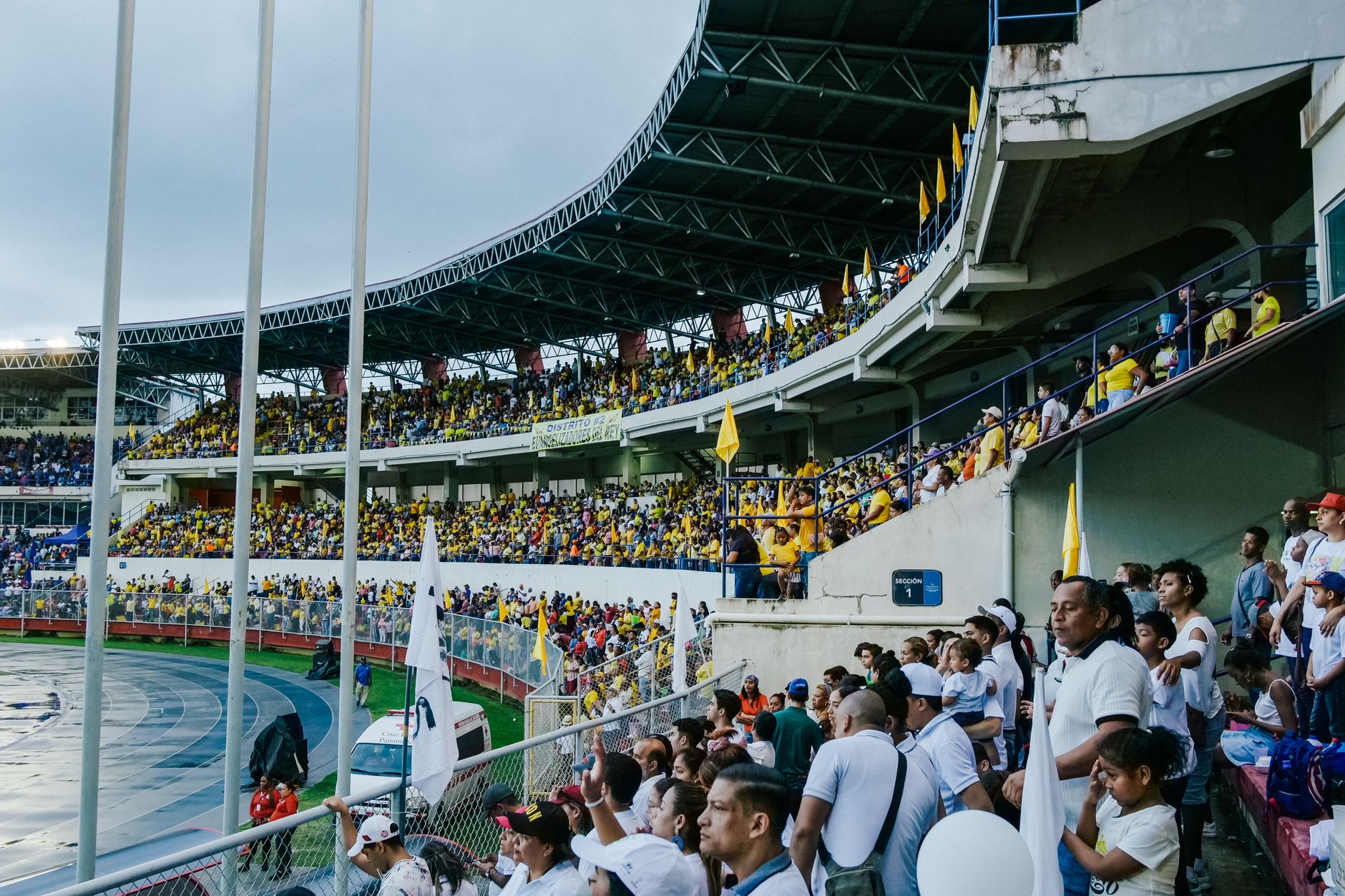
Photo by Luis Quintero on Pexels
Related Content
For comprehensive coverage of the 2026 World Cup qualification cycle and continental competition analysis, explore our in-depth resources on tactical formations and team performance metrics. Stay updated with daily insights from Pitch Notes, your source for match predictions and tournament coverage.